
Wildfire Lawyer: What You Need to Know Before Filing a Claim
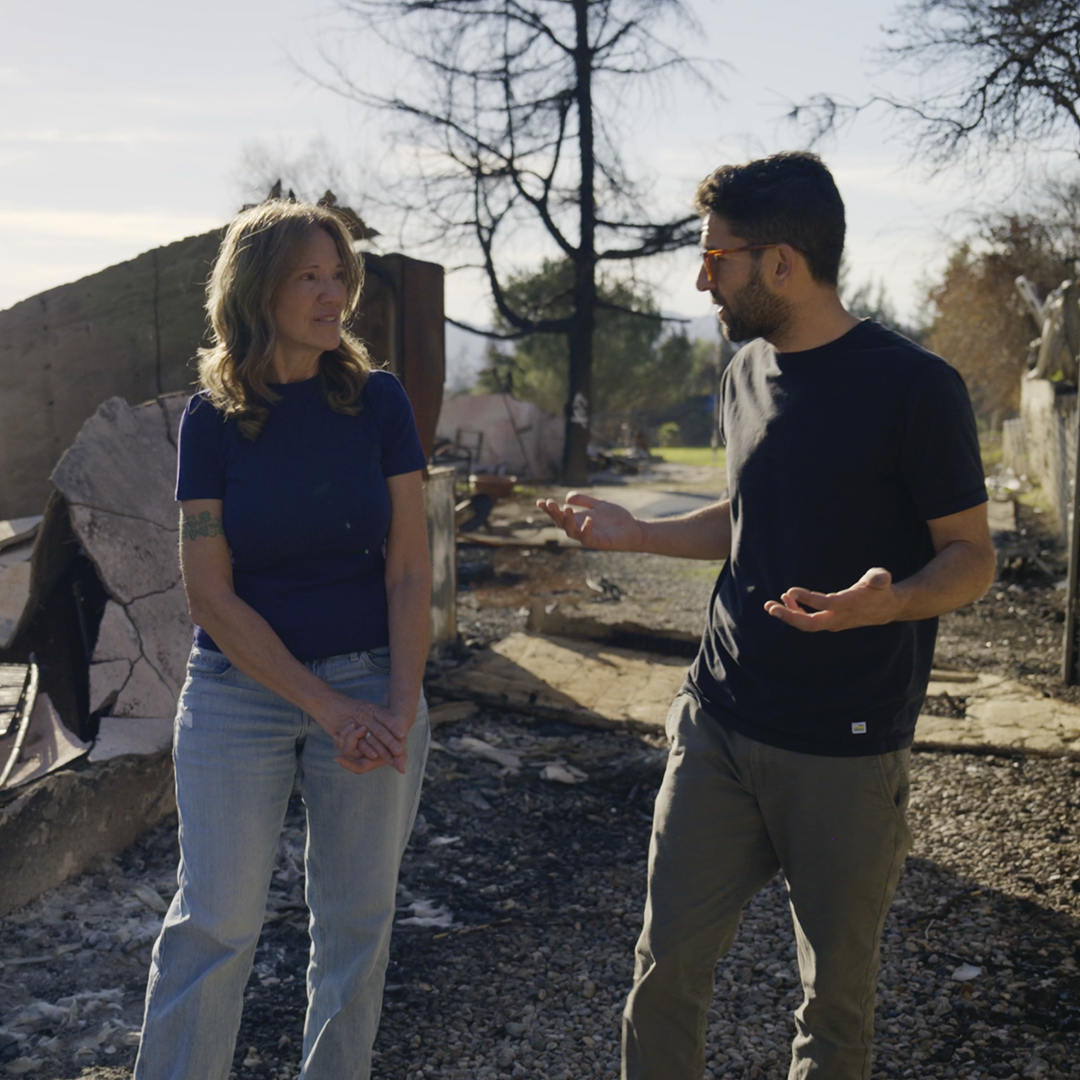
After a wildfire, you are dealing with more than just property loss. You are fighting insurance companies, navigating an uncertain rebuilding timeline, and trying to understand what you are actually owed — all while dealing with the emotional stress and trauma from the fire. A wildfire lawyer helps you navigate that recovery, from investigating what caused the fire to recovering compensation that goes far beyond what insurance will pay. This guide covers who is liable, what you can recover, and how the legal process works.
Key Takeaways
- Utility companies have caused many catastrophic wildfires through negligent equipment maintenance and failure to de-energize power lines.
- Wildfire victims are often able to recover property losses, personal injury damages, emotional distress, and punitive damages.
- Filing a lawsuit and an insurance claim are not mutually exclusive. You can pursue both at the same time.
- Filing deadlines vary by state, and missing yours could permanently bar your case.
- Edelson PC has secured over $1 billion+ in wildfire jury verdicts*.
What Is a Wildfire Lawyer?
A wildfire lawyer is an attorney who represents individuals, families, and businesses that have suffered losses from wildfires caused by negligence or equipment failures. They handle every phase of litigation, from investigating the fire’s origin to recovering compensation through settlement or trial.
The scope of what a wildfire attorney does goes well beyond filing paperwork. They investigate what caused the fire, identify every liable party, calculate your total damages including losses your insurance will not cover, negotiate directly with utility companies and their legal teams, and take cases to trial.
Wildfire litigation is not general personal injury work. It requires deep experience and knowledge of utility regulations, fire investigation, cause and origin, and state-specific liability doctrines. A lawyer without that background is at a serious disadvantage against the teams utilities use to defend these cases.
What Causes Most Catastrophic Wildfires?
Many wildfires in the U.S. are caused by human activity. Among the most destructive fires in recent history, utility company negligence is the leading driver of catastrophic damage and legal liability.
Downed Power Lines and Equipment Failures
Aging infrastructure, poor maintenance, and failure to act during dangerous conditions are at the root of most major utility-caused wildfires. Common failure types include:
- Aging power lines making contact with vegetation
- Transformer failures and electrical arc events
- Failure to de-energize circuits during high-wind events
- Faulty or deteriorating electrical equipment
- Inadequate inspection and maintenance of transmission lines
Lawsuits claimed PG&E’s equipment caused the 2018 Camp Fire, the deadliest wildfire in California history, killing 85 people and destroying the town of Paradise. Southern California Edison is the primary defendant in lawsuits over the 2025 Eaton Fire, with SCE’s own CEO acknowledging a powerline as the primary ignition theory. In Oregon, PacifiCorp was found by a jury to have acted recklessly and willfully in causing the Labor Day 2020 fires. In Texas, Xcel Energy equipment was linked to the 2024 Smokehouse Creek Fire, the largest wildfire in Texas history, burning over one million acres.
Failure to De-Energize
PacifiCorp, the utility found liable by a jury for causing the 2020 Oregon Labor Day fires, was warned about dangerous weather conditions by the state fire chief, but chose not to de-energize its lines. Those lines then started fires that destroyed thousands of homes and businesses across the state. To date, Edelson PC has won jury verdicts* totaling more than $1 billion against PacifiCorp on behalf of survivors of those fires.
Inadequate Vegetation Management
Utilities are required to clear vegetation around their infrastructure. When they fail to do so, the consequences can be catastrophic.
Other Liable Parties
Utilities are the most common defendants, but they are not the only ones. Government agencies can be liable for failures to manage public lands or for prescribed burns that escape control. Private landowners and contractors can also be responsible when fires start from land clearing, equipment use, or failure to maintain defensible space.
In some states, including California, a doctrine called inverse condemnation can hold utilities strictly liable for wildfire damages even without a finding of negligence.
What Damages Can You Recover in a Wildfire Lawsuit?
Wildfire victims can recover compensation for economic losses, physical injuries, emotional harm, and punitive damages. The total value of a claim depends on the extent of the damage, the strength of the evidence, and the conduct of the liable party.
Property and Financial Losses
This category covers the most visible losses, but it goes further than most people expect. Recoverable property and financial damages include:
- Home and structure damage or total destruction
- Personal belongings, furniture, and clothing
- Vehicles and equipment
- Landscaping and outbuildings
- Rebuilding costs that exceed insurance limits
- Temporary housing and relocation expenses
- Lost business revenue and inventory
- Lost income during displacement or recovery
Personal Injury and Wrongful Death
Wildfires cause serious physical harm. Burn injuries, smoke inhalation, respiratory damage, carbon monoxide exposure, and PTSD are all recoverable in a wildfire lawsuit. Long-term health effects from smoke and toxic ash exposure are an increasingly recognized category of damages as well.
Families who lost loved ones in a wildfire can file wrongful death claims. Who qualifies to file varies by state. Standing rules differ by jurisdiction, and not every family member automatically has the right to bring a claim. An attorney can confirm eligibility based on where you live.
Evacuation and Emotional Distress
You do not need to lose your home to file a wildfire lawsuit. Many states recognize emotional distress damages for victims who were forced to evacuate, even if the fire never physically touched their property. Mandatory evacuation costs, temporary housing, relocation expenses, and the trauma of displacement are all compensable depending on your state’s laws.
Punitive Damages
Punitive damages go beyond compensating victims. They are designed to punish defendants for willful misconduct or conscious disregard for others’ safety and to deter future violations. These are most commonly pursued against utilities with documented histories of repeated safety failures.
Edelson PC served as lead counsel in the first-ever class action jury verdict* against a utility company for causing a wildfire and helped secure a $13.5 billion settlement in the PG&E bankruptcy litigation.
Who Can File a Wildfire Lawsuit?
You do not need to be a homeowner to pursue a wildfire claim. Eligibility is broader than most people realize.
Homeowners: Property damage, contents, and losses beyond insurance limits
Business Owners: Lost revenue, inventory, equipment, and business interruption
Renters: Personal property losses, displacement costs, and lost wages
Employees: Wages lost due to business closures caused by the fire
Evacuees: Costs incurred even if property was not directly damaged
Surviving Families: Wrongful death claims (eligibility varies by state)
⚠ Time Sensitive — Act NowStatutes of limitations set strict deadlines for wildfire lawsuits. Missing your deadline can permanently bar your case. Evidence degrades fast utilities repair equipment, rain destroys burn patterns, and demolition eliminates physical evidence. Do not wait to consult an attorney.
How Long Do You Have to File a Wildfire Lawsuit?
Each state enforces different filing deadlines. These deadlines can shift based on when damage is discovered, whether a government entity is involved, and other factors specific to your case. The earlier you act, the better positioned you are to preserve evidence and protect your rights.
Common Mistakes Wildfire Victims Make
The biggest mistakes wildfire victims make are waiting too long to file, settling with insurance too quickly, and failing to document losses before cleanup begins.
-
Missing the statute of limitations. Once your deadline passes, your case may be gone. Deadlines can feel far away in the chaos after a fire, but they arrive fast.
-
Accepting the insurance company’s first offer. First offers are almost always below actual value. Insurers calculate what they can pay, not what you are owed. A wildfire attorney can identify the gap and recover it.
-
Failing to document damage before demolition. Once cleanup begins, evidence can disappear. Photograph everything before anything is moved or removed, including structure damage, personal property, vehicles, landscaping, and outbuildings.
-
Not preserving physical evidence. Rains, debris removal, and utility repair crews can destroy the evidence that proves your case. Your attorney can seek court orders requiring utilities to preserve equipment and records before they are altered.
-
Going it alone against utility legal teams. Utility companies have experienced defense attorneys and significant resources. Wildfire victims who try to handle claims without representation consistently recover less.
How to Choose the Right Wildfire Attorney
The right wildfire attorney has trial experience in utility liability cases and a proven record of verdicts and settlements — not just general personal injury work. They also need the financial resources to take on well-funded utility companies in litigation that can last years.
What to Look For in a Wildfire Lawyer
- Jury verdicts in wildfire cases — settlements alone don’t show willingness to go to court
- Specific experience with wildfire litigation, not just fire or personal injury cases generally
- Resources to fund complex, multi-year litigation against utilities with large defense budgets
- A contingency fee structure — no upfront cost to you
- Direct access to attorneys, not just paralegals or case managers handling your file
Most wildfire attorneys offer free consultations. Use that meeting to ask specific questions: How many wildfire cases have you handled? Have you taken a utility to trial? What were the outcomes?
Why Edelson PC Fights for Wildfire Victims
Over the last decade, Edelson PC has litigated some of the largest cases against utility companies for causing wildfires. We served as lead counsel in the first-ever class action jury verdict against a utility company for causing a wildfire. To date, the firm has won over $1 billion in verdicts and judgments* for the survivors whose cases have proceeded to trial. More than 1,500 additional clients are set for jury trials in 2026 and 2027.
We also helped secure a $13.5 billion settlement on behalf of fire victims in the PG&E bankruptcy litigation, and currently represent more than five thousand fire victims across California, Oregon, and Colorado.
Edelson PC’s work spans the full range of wildfire litigation, from individual claims to class actions, mass torts, and environmental cases. The firm has the trial experience, the financial resources, and the track record to take on utilities that refuse to pay what victims are owed.
Your Case Deserves the Strongest Possible Representation
If you or your family has been affected by a wildfire, contact Edelson PC for a free, no-obligation consultation. You pay nothing unless we win.
Frequently Asked Questions
How much does a wildfire lawyer cost?
Most wildfire lawyers work on a contingency fee basis, meaning you pay nothing upfront and the attorney takes a percentage of the recovery — typically 40% — only if you win. If there is no recovery, you owe nothing. This structure ensures access to legal representation regardless of your financial situation.
How long does a wildfire lawsuit take?
Wildfire lawsuits typically take a few years from filing to resolution. Factors include the complexity of the investigation, the number of plaintiffs, and whether the utility contests liability.
Can I file a lawsuit if I already received insurance money?
Yes. Filing an insurance claim does not prevent you from filing a lawsuit. If your damages exceed your insurance coverage, a lawsuit against the liable party can recover the difference, plus damages insurance does not cover — including emotional distress and punitive damages.
What if I rent and do not own my home?
Renters can file wildfire lawsuits for personal property losses, displacement costs, lost wages, and emotional distress. You do not need to be a homeowner to seek compensation from the party that caused the fire.
What happens if the utility company goes bankrupt?
You can likely still recover compensation. When a utility files for bankruptcy, wildfire claims are typically handled through a victim trust fund established as part of the bankruptcy proceedings. For example, PG&E’s Chapter 11 bankruptcy resulted in a $13.5 billion Fire Victim Trust that has paid out billions to wildfire survivors. The process may take longer, but bankruptcy does not necessarily eliminate a utility’s obligation to compensate victims.
What if I lost my documents in the fire?
You can still file a claim. Your attorney will help reconstruct your losses using tax records, bank statements, photographs, and expert assessments. The loss of documentation does not prevent you from pursuing compensation.